Foot and ankle deformity correction sits at the crossroads of biomechanics, imaging, and disciplined surgical craft. The goal is simple to say and hard to execute, restore alignment so load flows cleanly from tibia to toes. When that happens, pain settles, joints last longer, and patients return to the things that make a life feel normal. I have watched a retired teacher stand taller after a cavus foot correction loosened her peroneal tendons, and a varsity soccer player reclaim sharp cuts after ligament reconstruction stabilized a wobbly ankle. The work rewards patience and detail.
What “realignment” actually means in the foot and ankle
Realignment is more than straightening a crooked bone. In a healthy gait, forces shift from heel to forefoot in a controlled sequence. Deformity disrupts that flow, so structures compensate and overwork. A flatfoot that drifts into valgus pushes the talus medially, stretches the posterior tibial tendon, and jams the lateral ankle with impingement. A cavus foot that tips into varus overloads the lateral column, fuels recurring sprains, and drives peroneal tendon issues. Toe deformities funnel pressure to the wrong metatarsal heads, creating pain in shoes and calluses that never seem to quiet down. Patients describe weight bearing pain on first steps out of bed, standing discomfort at the workbench, or barefoot walking pain that makes a kitchen floor feel like gravel. Over time, abnormal foot alignment and uneven weight distribution age the joints. That is how midfoot arthritis, bone spurs, and cysts can develop around areas shouldering more than their share.
Not every deformity hurts at rest. Many present as gait abnormalities, instability when walking, clicking ankle episodes, or “locking” after a misstep. Some patients notice high heel related pain that vanishes in sneakers, which can point to a specific segment that struggles under load. Others come in for athletic performance issues. They can train hard, but their mechanics sabotage efficiency. When you restore structure in these cases, pain relief is only half the win. The other half is a calmer, more predictable gait.
When surgery makes sense, and when it does not
Surgery should solve a problem that conservative care cannot. I will fight for orthotic solutions, footwear assessment, custom orthotics evaluation, bracing, and targeted physical therapy when the foot still has a chance to compensate. Early intervention care can steer a mild deformity away from collapse. For chronic ankle instability, thoughtful rehab and balance training sometimes steady the ship. Inflammation control, activity modification, and injections can buy time for a joint with early cartilage damage.
Surgery gains ground when the structure fails the structure. If a posterior tibial tendon dysfunction drags the arch into adult acquired flatfoot, or a cavus foot twists into rigid varus with peroneal tendon attrition, a brace cannot realign bone. If osteochondral lesions cause deep ankle pain with swelling after activity, and imaging shows a crater in cartilage, scraping by on rest and ice keeps you on a treadmill of flares. Tarsal tunnel syndrome with proven nerve entrapment often needs surgical decompression if numbness and nighttime foot pain progress despite splints and anti-inflammatories. Toe deformities that become rigid toe joints rarely forgive without release and realignment.
There is also a class of patients for whom a foot and ankle surgeon for second opinions provides clarity. Failed foot surgery is not a label, it is a starting point. A foot and ankle surgeon for revision ankle surgery may be the right call when hardware position, joint balance, or soft tissue tension needs to be rethought. Complex foot cases, rare foot conditions, and pediatric foot deformities also benefit from surgeons who handle unusual anatomy week after week, not once a year.
Planning, imaging, and the preoperative work that changes outcomes
The hard work of deformity correction happens before the first incision. Weight bearing radiographs show how bones track under load, far more useful than non weight bearing views that look tidy but hide the problem. Advanced imaging like CT clarifies joint orientation and bone stock, and MRI helps sort tendon reconstruction needs from ligament reconstruction plans. For cartilage damage and osteochondral lesions, MRI specifies size and depth so graft choices align with reality. In stubborn pain patterns, nerve conduction studies can confirm tarsal tunnel syndrome or dorsal nerve irritation that matches the exam.
Gait labs and pressure mapping offer useful data for uneven weight distribution. In select cases, 3D planning and patient specific guides improve accuracy for complex reconstructions. I use them when multiplanar correction is required, or when leg length imbalance effects and rotational malalignment risk a poor result if eyeballed. Robotic assisted surgery has a foothold in ankle joint replacement, offering consistent cuts and alignment that used to demand jigs and hope. External fixation and hexapod frames still play a role for gradual correction, especially when soft tissues are tight or bone quality is fragile.

If you are preparing for surgery, a focused approach to readiness matters. The right foot and ankle surgery preparation guide is not a binder of forms, it is a short set of tasks that reduce surprises.
- Clarify your goals and limits, what to expect from foot and ankle surgery depends on your daily demands, job duties, and sport expectations. Optimize health markers, control blood sugar for diabetic foot complications, stop nicotine use, and adjust medications that affect bleeding or wound healing. Set up your home, clear pathways, arrange a shower chair, plan meals, and secure help for the first days. Align work and life logistics, notify your employer, plan leave, and secure transportation for early follow ups. Learn the assistive tools, practice crutch or scooter use, and confirm the right boot or brace is available.
Modern surgical approaches to realignment
The menu of techniques is wide, but the principle holds, fix the segment that fails and respect the joints that still work.
For the forefoot, minimally invasive bunion surgery has matured, using percutaneous osteotomies and low profile fixation to correct hallux valgus with small incisions. This approach reduces soft tissue trauma, often enabling outpatient procedures and same day surgery with low swelling and fast recovery protocols when patients follow instructions. Rigid toe deformities may need joint preserving procedures when cartilage remains, or fusions when joints are destroyed, each with realistic trade offs. Sesamoid injuries require thoughtful offloading and, in select cases, partial excision after stability is protected.
Midfoot arthritis corrections use targeted fusions for painful segments while respecting adjacent joints that still glide. A patient with midfoot collapse and ulcer risk from plantar bony prominence gets a different plan than a runner with a single arthritic tarsometatarsal joint. Cartilage damage in the ankle calls for a spectrum, microfracture for small contained lesions, osteochondral autografts or allografts for larger defects, and biologic adjuncts when appropriate. For frank osteochondral lesions with cysts, a structural graft may be the only way to restore contour and stop the ache.
Hindfoot and ankle realignment carry the heaviest load. Posterior tibial tendon dysfunction with collapse may need arch reconstruction, often combining calcaneal osteotomy, tendon reconstruction with flexor tendon transfer, and medial column procedures. Cavus foot correction flips the template, lateralizing the calcaneus, occasionally shortening the lateral column, and balancing tendons to calm the varus pull. Chronic ankle instability from repetitive stress injuries or high impact injuries benefits from anatomic ligament reconstruction. Some need peroneal tendon debridement or repair at the same time if the groove is tight and the tendons are frayed.
End stage ankle arthritis presents a pivotal choice, ankle fusion surgery or joint replacement. Fusion remains reliable for heavy laborers and those with profound deformity or poor bone. Joint replacement can preserve motion, reduce adjacent joint stress, and restore a smoother gait for the right patient. My rule of thumb, if the subtalar joint is already stiff or arthritic, replacement often spreads load more kindly across the chain. If the subtalar joint is pristine and the alignment is sound, fusion can serve well for decades. A foot and ankle surgeon for joint replacement should walk through implant track records, expected range of motion, and realistic activities post op.
Nerve problems live alongside deformities more often than most think. A foot and ankle surgeon for tarsal tunnel syndrome performs decompression where ligament roofs compress the tibial nerve, but timing matters. The longer numbness lingers, the slower recovery. Nerve problems masquerade as plantar fasciitis, so careful exam and a story of morning heel pain that warms up may still be fascia, while nighttime foot pain and burning numbness points elsewhere.
Some cases ask for external fixation, especially when soft tissues are not ready for big incisions or when gradual correction is safer. Frames can turn a 15 degree hindfoot valgus into neutral over weeks, giving skin and vessels time to adapt. For severe deformity from rare foot conditions or congenital foot conditions, staged corrections prevent wound complications and protect nerves that a single shot would stretch.
Finally, revision work has its own logic. A foot and ankle surgeon for post surgical complications approaches scar tissue issues, stiffness and limited mobility, and nonunions with fresh eyes. Sometimes a small malrotation is the hidden villain, killing push off and fueling swelling after injury that never truly resolved. Top surgeons in this space do not rush. They listen to how the pain loads during a day, and then confirm it on imaging and exam.
What to expect the day of surgery and early after
Patients worry, rightly, about anesthesia, pain, and how fast they can walk. Most deformity corrections are outpatient procedures, particularly when performed with soft tissue sparing techniques. Even larger reconstructions that used to demand days of admission now often move as same day surgery with modern pain management plans and regional blocks. Expect a block that numbs the leg for 12 to 24 hours, a multimodal regimen with anti inflammatories and nerve safe options, and instructions for elevation and icing. Patients with circulation related issues or diabetic foot complications get extra attention to wound healing concerns, and may receive prophylactic antibiotics for a longer window to offset infection risks.
Bracing and boots are not just accessories, they are part of the repair. Follow weight bearing limits strictly. In my practice, I would rather see you call at 10 pm than take an extra step that risks hardware shift. Swelling is normal, but swelling that refuses to settle with elevation or that pairs with severe pain deserves a check. Early signs of infection are warmth and increasing redness, not just bruising.
A practical foot and ankle surgery recovery timeline
Every case has its pace, but most patients want signposts. Here is a framework I use to set expectations for deformity correction, knowing specifics shift with procedure type and bone quality.
- Days 0 to 7, focus on elevation above heart level, wound protection, and gentle toe motion as instructed, pain should trend downward after the first 48 hours. Weeks 2 to 4, sutures out around 2 weeks, transition to a boot if safe, begin early range of motion and gentle isometrics with physical therapy coordination. Weeks 6 to 8, start protected weight bearing if osteotomies show early healing, progress to two shoes if swelling allows, swelling still flares at day’s end. Months 3 to 4, introduce balance work, step ups, and low impact conditioning, plan return to sport planning for non contact drills as comfort grows. Months 6 to 12, higher impact work and pivoting sports re enter if strength and balance testing pass, long term joint preservation habits become routine.
Enhanced rehab programs shorten these windows for select patients, especially athletes who arrive in good condition. Fast recovery protocols are not shortcuts, they are disciplined schedules that balance load and biology. The foot and ankle surgery recovery timeline shifts longer if bone grafting, fusion, or multilevel corrections were needed. A fusion that needs 10 to 12 weeks to consolidate cannot be argued into healing faster by a busy calendar.
Before and after, and the realities in between
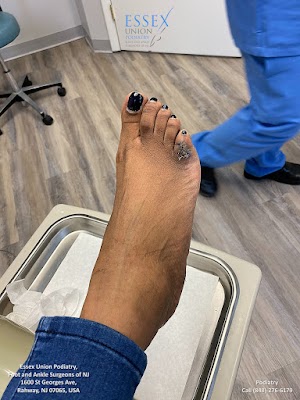
Patients pour over foot and ankle surgery before and after photos. They help frame change, but they do not show texture, sensation, or confidence. The best proof arrives when you step out of bed without bracing for impact, or when standing discomfort fades and you forget to sit down every 20 minutes at work. Morning heel pain may quiet simply because the arch now shares load correctly. Barefoot walking pain softens when the midfoot no longer collapses. Shoe related pain eases when toes point forward and no longer rub against a box built for someone else’s anatomy.
Setbacks happen. Stiffness and reduced range of motion are common early, and scar sensitivity can irritate even when incisions look perfect. A foot and ankle surgeon for soft tissue injuries pays attention to gliding planes, not just sutures. Gentle scar mobilization, nerve desensitization work, and realistic milestones prevent a spiral of worry. For some, orthotic failure cases teach us to adjust posting or material after bones heal. For others, a simple footwear tweak accomplishes more than another therapy session.
Brief case sketches from practice
A 52 year old postal carrier with posterior tibial tendon dysfunction and flatfoot could not make it through a shift. She had tried bracing and therapy for eight months and still felt weight bearing pain by noon, with swelling at the ankle and forefoot by evening. Imaging showed talonavicular uncoverage and spring ligament laxity. We performed a medializing calcaneal osteotomy, transferred the flexor digitorum longus to augment the posterior tibial tendon, repaired the spring ligament, and pinned the medial column temporarily. Her foot posture changed overnight, but the more important shift came three months later when she stopped timing her route around curb ramps. At one year, she had returned to full duty without a brace.
A 28 year old trail runner with a cavus foot and recurring sprains had peroneal tendon issues that would flare anytime she ran on off camber slopes. Exam showed a subtle varus heel and a tight first ray. We corrected the heel with a lateralizing calcaneal osteotomy, performed a dorsiflexion osteotomy of the first metatarsal, deepened the peroneal groove, and repaired torn peroneal retinaculum. Her instability vanished, and with a period of deliberate balance retraining she returned to technical running at nine months, stronger and less anxious about every root and rock.
A 64 year old carpenter with ankle impingement and osteochondral lesions from an old workplace injury had progressed to joint degeneration. He asked the hard question he needed answered, fusion or replacement. He also had hindfoot stiffness, which made fusion less appealing. After a detailed discussion, we chose total ankle joint replacement, cleaned up impinging osteophytes, and balanced his soft tissues. He was back to light duty at three months, and by a year the ache that had shadowed every ladder climb no longer dictated his schedule.
Choosing the right surgeon and setting the relationship
It is reasonable to seek a foot and ankle surgeon for second opinions before a substantial reconstructive surgery. Look for a surgeon who manages deformity correction routinely, not occasionally. For a foot and ankle surgeon for complex foot cases or for rare foot conditions, ask about their comfort with both internal fixation and external frames, their experience with tendon reconstruction and ligament reconstruction, and their approach to neurologic problems like foot drop or tarsal tunnel syndrome. Pediatric foot deformities demand a different conversation about growth plates and timing, so make sure that lane matches the surgeon’s daily work.
If a prior operation left you with lingering pain, seek a foot and ankle surgeon for failed foot surgery or a foot and ankle surgeon for post surgical complications who will study the old plan and explain what changed or did not change. Revision ankle surgery often requires staged approaches. The right plan makes space for soft tissues to recover between steps, rather than trying to solve years of adaptation in one afternoon.
Risk management, trade offs, and edge cases
Surgery trades one set of problems for another, ideally smaller and more manageable. Wound risks increase with foot and ankle surgeon near me diabetes, vascular disease, and smoking. Infection management is not a single antibiotic dose, it is meticulous handling of soft tissue and a plan for wound care that starts at the first clinic visit. Swelling after injury that persists into the post operative window can slow healing. A thoughtful pain management plan keeps you moving safely while avoiding heavy opioids whenever possible. For inflamed tendons, a period of true rest, not just “less,” creates a baseline from which loading can gradually rise.
Occupational foot pain and workplace injuries require specific planning around return to weight bearing tasks. A commercial electrician who climbs ladders daily needs different milestones than a software engineer. We pair load tests and job simulations with a foot and ankle surgeon for return to sport planning mindset, even when the sport is work. Injury prevention strategies become daily routines, calf strength, hip control, and balance work that keep joints aligned.
For abnormal foot alignment with leg length imbalance effects, realignment sometimes reveals the actual difference that a pelvis tilt hid. Small shoe lifts, postural correction exercises, and a recheck of gait after reconstruction ensure the system above the foot stays happy. In certain neurologic conditions that create foot drop or spastic deformities, tendon transfers or selective releases improve clearance and reduce tripping. Peroneal nerve entrapment masquerading as drop foot needs careful sorting from muscle weakness due to spine issues. The wrong operation on the foot will not fix a back problem.
Integrating rehab and long term foot health
Surgery sets the platform. Mobility restoration comes from a coordinated plan with physical therapy. Early motion within safe limits prevents adhesions and stiffness. Later, strengthening and proprioception return control so you do not fear each step. A foot and ankle surgeon for enhanced rehab programs will map phases with your therapist so the plan is not guesswork. If your goal is sprinting or cutting, we test and train those exact motions before green lighting sport. For a foot and ankle surgeon for long term foot health, the view extends years. That includes footwear advice, orthotic updates as needed, weight management, and pacing of high impact activities to preserve joint surfaces we just protected.
Patients often ask how long hardware stays. Screws and plates rarely demand removal unless they irritate tendons or lie under thin skin. If you feel clicking around a prominent screw or persistent shoe pressure, we can address it once bones are fully healed. Cysts in foot or ankle bones seen on imaging can be watched or filled, depending on size and symptoms. Bone spurs that caused ankle impingement today may not recur if alignment improves, but they can return if load patterns remain hostile.
The bottom line for patients considering realignment
Realignment surgery should restore function and reduce pain while respecting the entire kinetic chain. The right plan weighs joint preservation against certainty, motion against durability. It accounts for diabetes or circulation related issues without turning them into reasons to avoid help altogether. It honors individual goals, from walking the dog pain free to returning to elite sport. The craft lies in measuring just enough correction, neither under nor over, and in guiding you through what to expect from foot and ankle surgery with honesty.
If you carry a list of questions, bring it. A surgeon who welcomes your specifics is a partner. Whether you need a foot and ankle surgeon for structural imbalance, for gait abnormalities, for standing discomfort that steals your shift, or for a rare condition you had to learn to pronounce, the modern toolbox is strong. With smart preparation, careful execution, and a disciplined recovery, before and after can look less like two pictures and more like a steady story back to yourself.